There’s an adage in the business world that you can’t manage what you can’t…
The Power of Barbie: “If She Can’t See It, She Won’t Be It”
Joycelyn Hutchinson
| Dec 2, 2025
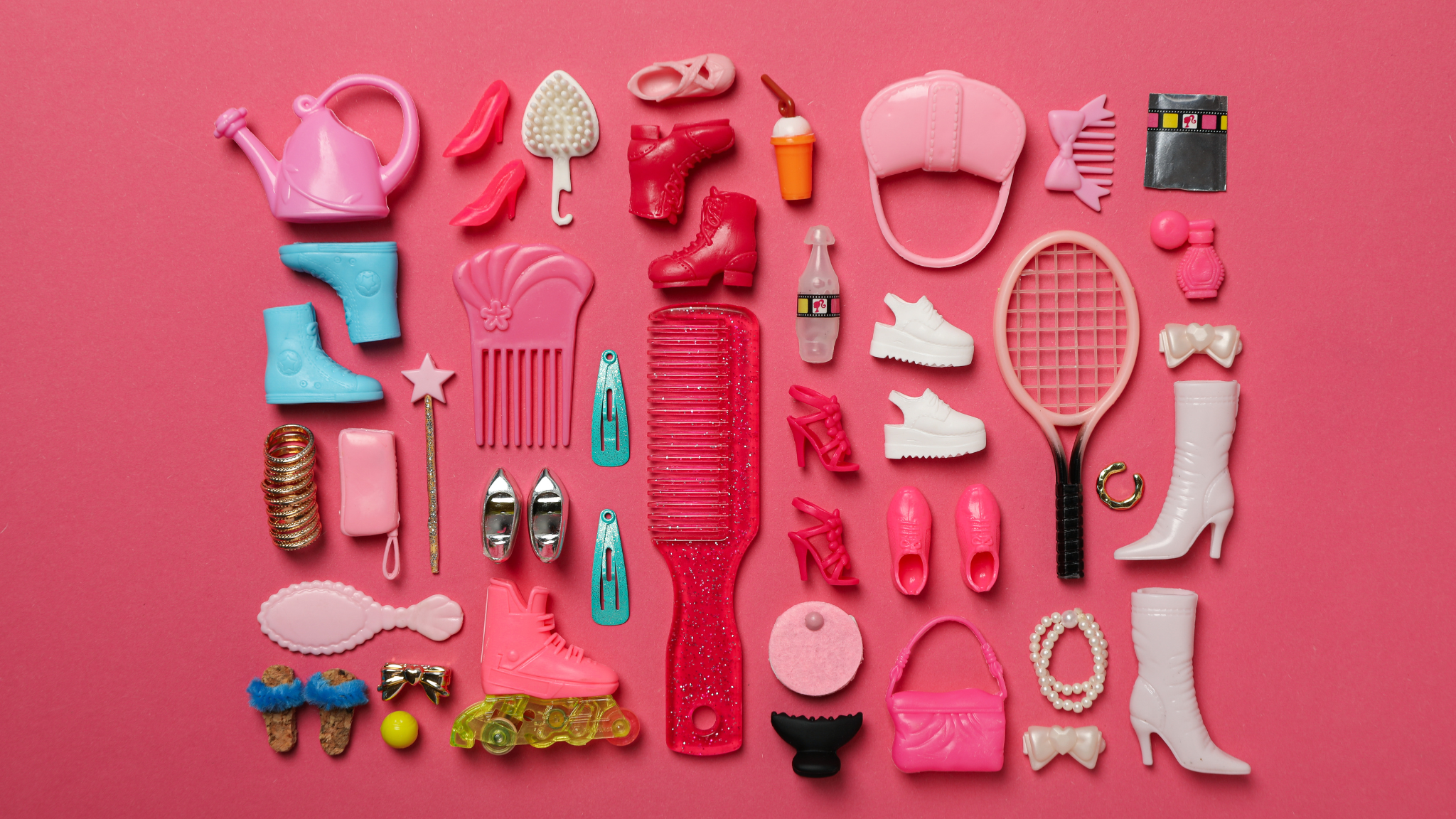
For decades, Barbie has been more than a toy; she has been a cultural mirror reflecting what women can become. While often dismissed as apolitical or superficial, Barbie’s history tells a different story: that women can be anything men can, even political leaders. From her first run for president in 1992 to her most recent campaign in 2020, when a Black Barbie ran, reflecting the current female candidate, Kamala Harris. Barbie has consistently placed women in positions of political power long before society normalized seeing them there. In doing so, she has quietly shaped how generations of girls imagine leadership, ambition, and the possibilities of public life.
Barbie’s political role is rooted in representation. At a time when women’s presence in elected office remained limited, Barbie introduced young girls to images of female presidents, ambassadors, judges, and campaign managers—roles rarely portrayed by women in mainstream media. Mattel’s election-year dolls are intentionally designed to reflect a full campaign team led by women: candidates, strategists, pollsters, and organizers. Many critics dismiss Barbie as shallow or purely commercial, but her impact runs deeper. According to Time, Barbie “helped raise a generation of feminists” by providing young girls a space for imaginative play, storytelling, and role experimentation. Rather than simply modeling beauty standards, Barbie offered a canvas for girls to project their fears, hopes, and ambitions—from career women to political leaders. Research provided by two University of Notre Dame political scientists shows that girls who see women in political roles are more likely to envision themselves as future leaders. By normalizing women in power, Barbie helps narrow the political imagination gap that discourages many young women from considering public office.
The 2023 Barbie film expanded this impact by blending entertainment with a critique of gendered power structures. Through a satirical, yet accessible lens, the film introduced younger audiences to issues like representation, gender bias, and political voice. More importantly, it positioned women’s leadership as both possible and necessary. In interviews, the filmmakers emphasized that Barbie’s political storylines are meant to inspire girls to ask, “Why shouldn’t I lead?” Why shouldn’t I run? The film’s portrayal of women reclaiming institutions resonated widely and became an entry point for young audiences into discussions about gender and governance.
Barbie is not a political candidate or a partisan symbol; she is a cultural tool that expands what girls believe they can grow up to be. In a world where research still shows that young women underestimate their qualifications for public office, Barbie offers a different narrative: one where leadership is not exceptional or out of reach but expected, attainable, and even fun. Her message is simple but transformative: women belong in every room, including the political one.