The American Immigration Council reported that roughly 44.7 million first-generation Americans lived in the…
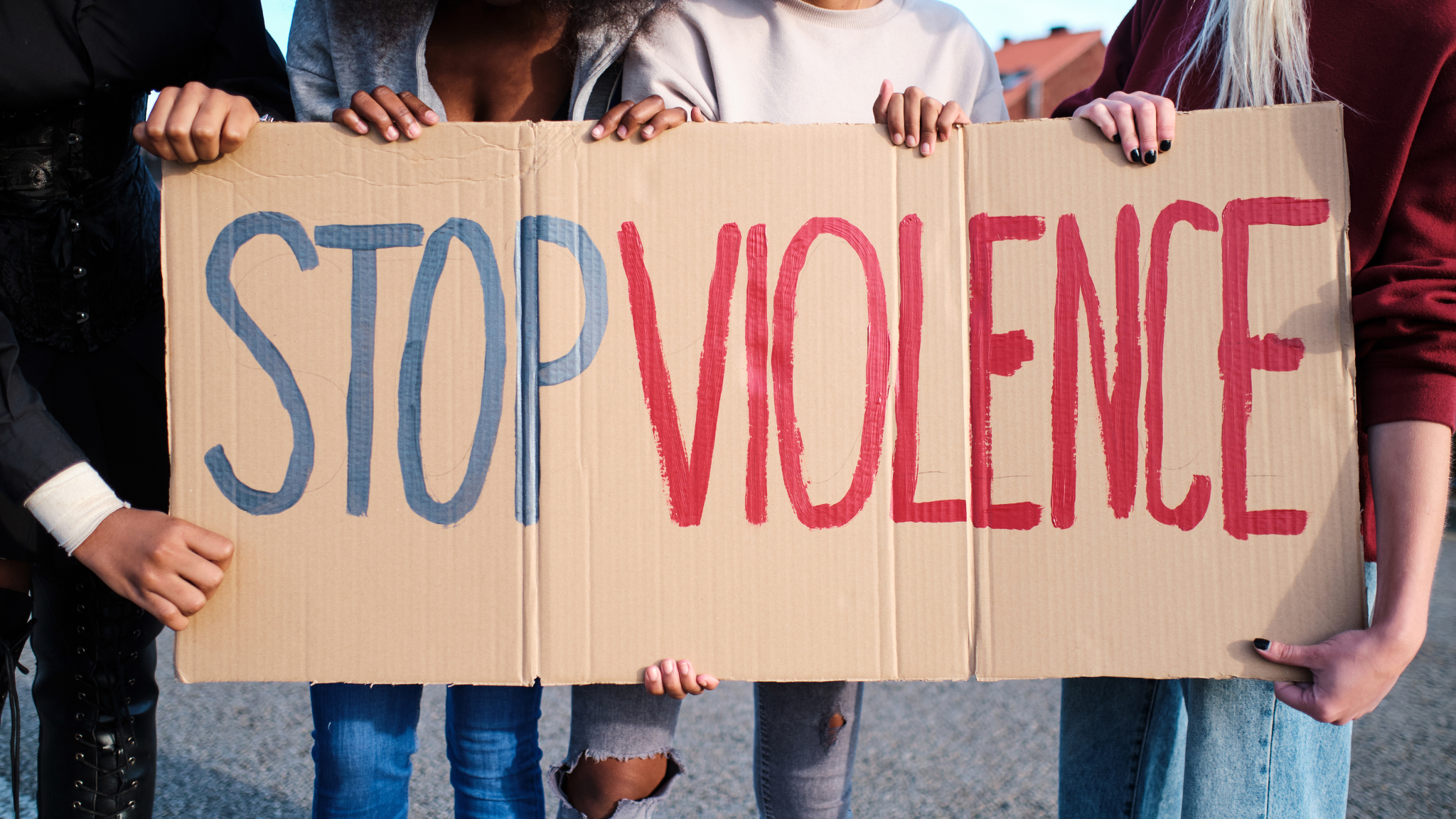
Political violence is on the rise. That should alarm all of us.
Liz Berry
| Apr 7, 2026
Political violence is on the rise. That should alarm all of us.
When violence enters politics, it doesn’t make anyone safer or stronger. It weakens democracy, silences voices, and replaces persuasion with fear.
As the former Legislative Director for Congresswoman Gabby Giffords, I witnessed political violence when my boss was shot in the head at a constituent event 15 years ago.
Gabby survived that day, but 6 people were killed, including a federal judge, a 9-year-old girl, and my friend and colleague Gabe Zimmerman, the first Congressional staffer to be killed in the line of the duty.
Now I serve as an elected official having faced my own threats of political violence. And I am not alone. When researching policy strategies, I found that about 41% of legislators surveyed said they faced threats to their physical safety, and almost 18% reported that those threats occurred monthly.
For women elected leaders, political violence is more than opposition to policy ideas. It is a tool that prevents women from participating in the process[1].
This is not unique to America. Across the world, women in politics are experiencing hate, vitriol, online attacks, and even physical violence and intimidation. In Sweden, women in elected office reported higher exposure to threats and harassment and feelings of vulnerability[2]. Sandra Håkansson, an assistant professor at Uppsala University and researcher on gender and politics, has studied how violence can limit the ability for women to have policy influence, when they spend more time addressing political violence. From the mental fatigue of simply thinking about the possibility of violence, threats, and online attacks, to actively addressing concerns “claims energy and time from representatives’ policymaking tasks.”[3]
In Washington state, I introduced legislation (HB 2333) to keep elected leaders safe by allowing lawmakers and staff to keep their home addresses out of the public domain and expand access to security measures paid for by government and campaign funds.
The need to address political violence remains an important step to securing a safe and fair democratic system. Free and equal participation in politics cannot be guaranteed without strong legal protections. For women leaders, those legal protections mean the difference between shaping policy and being shaped by policy.
[1] Krook, Mona & Restrepo, Juliana. (2016). Violence Against Women in Politics. A Defense of the Concept. Política y gobierno. 23. 459-490. https://www.researchgate.net/profile/Juliana-Restrepo/publication/317436167_Violence_Against_Women_in_Politics_A_Defense_of_the_Concept/links/5a3a6f2fa6fdcc0d34a5daf2/Violence-Against-Women-in-Politics-A-Defense-of-the-Concept.pdf
[2] Perraudin, Frances. “Harassment and Hate Forcing Women Out of Swedish Politics.” The Guardian, 1 Dec. 2025. https://www.theguardian.com/world/2025/dec/01/harassment-and-hate-forcing-women-out-of-swedish-politics
[3] Håkansson, Sandra. “The Gendered Representational Costs of Violence against Politicians.” Perspectives on Politics 22.1 (2024): 81–96. Web. https://uu.diva-portal.org/smash/get/diva2:1765908/FULLTEXT02.pdf