The Women & Politics Institute (WPI) at American University’s School of Public Affairs (SPA) announced…
The Global Movement for Gender Parity in Politics
Mona Lena Krook
| Mar 16, 2026
As of March 2026, there are more women in politics than ever before. Women make up 27.4% of national parliaments and 36% of local governments worldwide. In the United States, women hold 28% of the seats in the U.S. Congress and 33.6% of the seats in state legislatures. A record number of women, 14, serve as governors. At various levels of politics, 30% representation of women thus has been more or less achieved – in line with a global goal established in 1995 at the United Nations Fourth World Conference on Women.
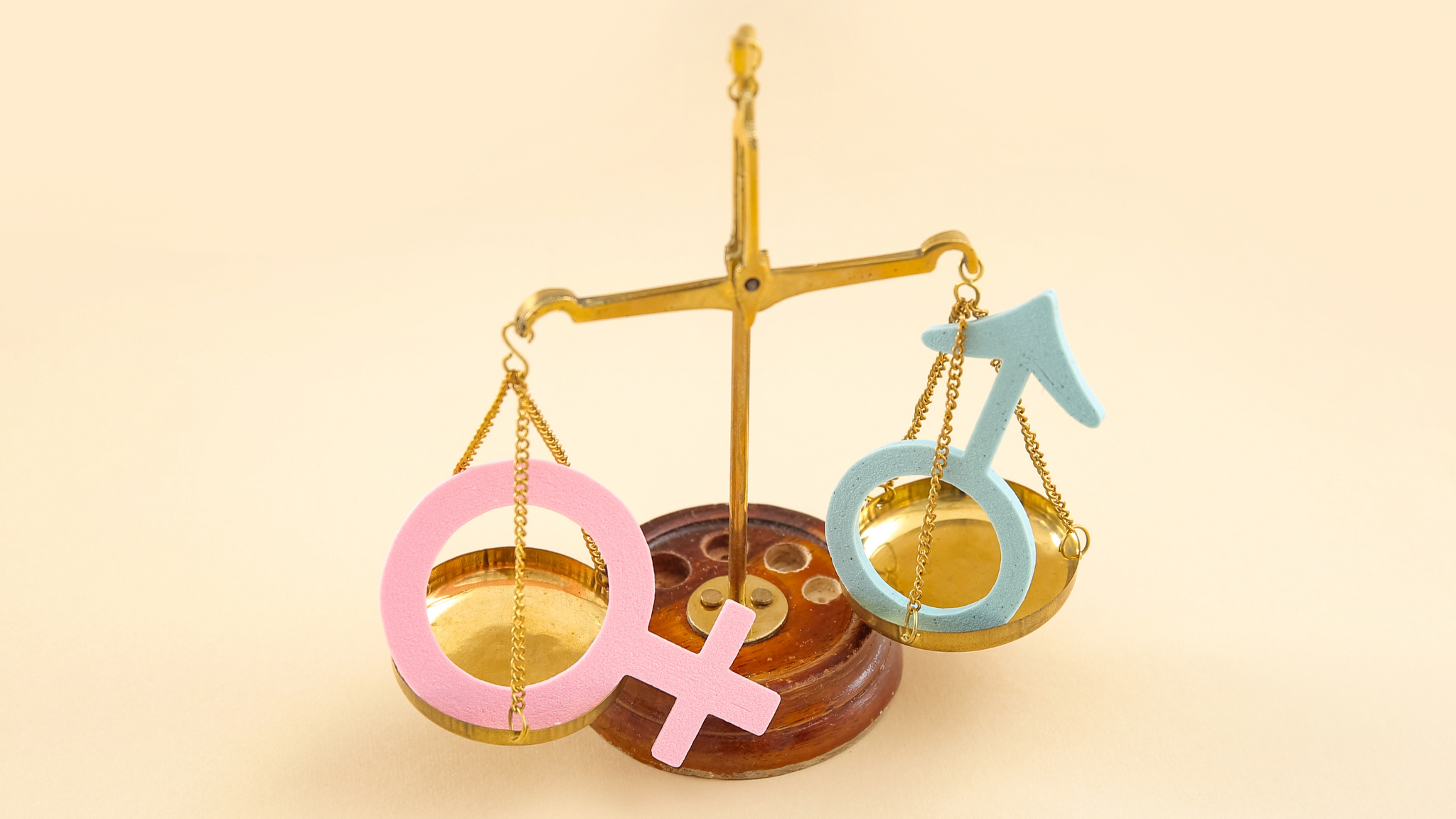
Yet these numbers still fall short of parity, or 50/50 representation of women and men. To reach this target, a new global movement is on the rise. Rejecting timid efforts to elect more women, these actors demand the full and equal sharing of political power. At the global level, they have gained three important commitments.
In 2021, UN member states agreed to the goal of 50/50 representation at the meetings of the UN’s Commission on the Status of Women. In 2024, the Committee for the Convention on the Elimination of All Forms of Discrimination Against Women (CEDAW) issued General Recommendation No. 40, arguing that governments are obliged to promote equal and inclusive decision-making. In 2025, the Global Conference of Women Parliamentarians adopted a declaration calling for gender parity.
At the national level, a growing number of countries have adopted strict parity laws. The first state was France in 2000, but similar laws have now spread across Latin America to countries like Argentina, Ecuador, and Mexico. In Western Europe, a significant share of states have adopted flexible parity laws, accepting no more than 60% and no less than 40% representation of either sex. As a result of these legal measures, nearly 30 countries around the world have achieved at least 40% women’s representation in parliament.
In the United States, adopting a parity law, whether strict or flexible, is unlikely for various reasons. However, actions can still be – and have been taken – to move us closer to 50/50 representation in American politics. In 1985, EMILY’s List was founded as an organization to raise money for pro-choice Democratic women candidates. Their model is to invest early in women’s campaigns by bundling many small contributions, with the aim of increasing their viability and leading others to follow with further donations. This model is one major reason for the widening gap in the numbers of Democratic versus Republican women in Congress.
The last 30 years show us that there are many ways to open up politics to women. There is no one magic formula, but the evidence is clear: change will not happen on its own. At a time of democratic decline and growing backlash against gender equality, mobilizing for parity is more important than ever. Promoting women in politics does not guarantee that the world will change overnight – but, if we want to change the world, electing more women is a good place to start.
Celebrating Women’s History Month: Join the Women & Politics Institute on Wednesday, March 18th at 6pm ET for a discussion with Dr. Mona Lena Krook, as she discusses her new book, Elect Women for a Change: The Path to Gender Parity in Politics, which makes a clear and compelling case for why gender parity in politics still matters and how it can be achieved. Details and registration here.