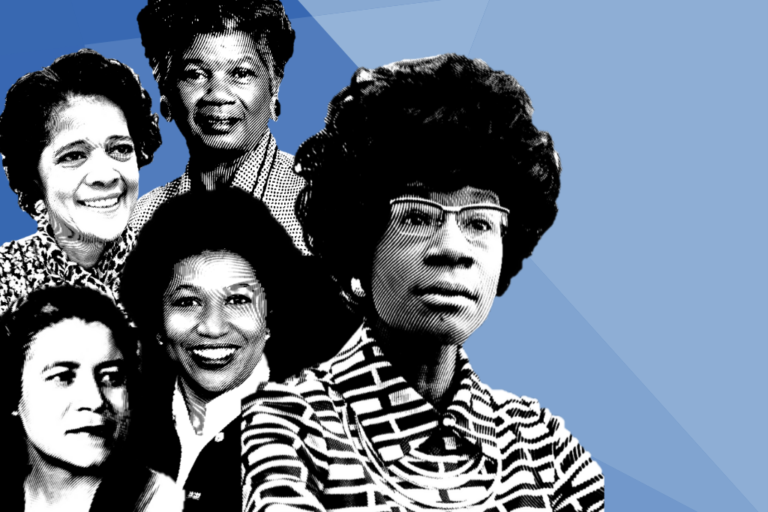
A record number of Black women are running for Congress this year. At least 122…
In the Fight for A More Reflective Democracy, Black Women Are Essential
Atima Omara
| Apr 23, 2026
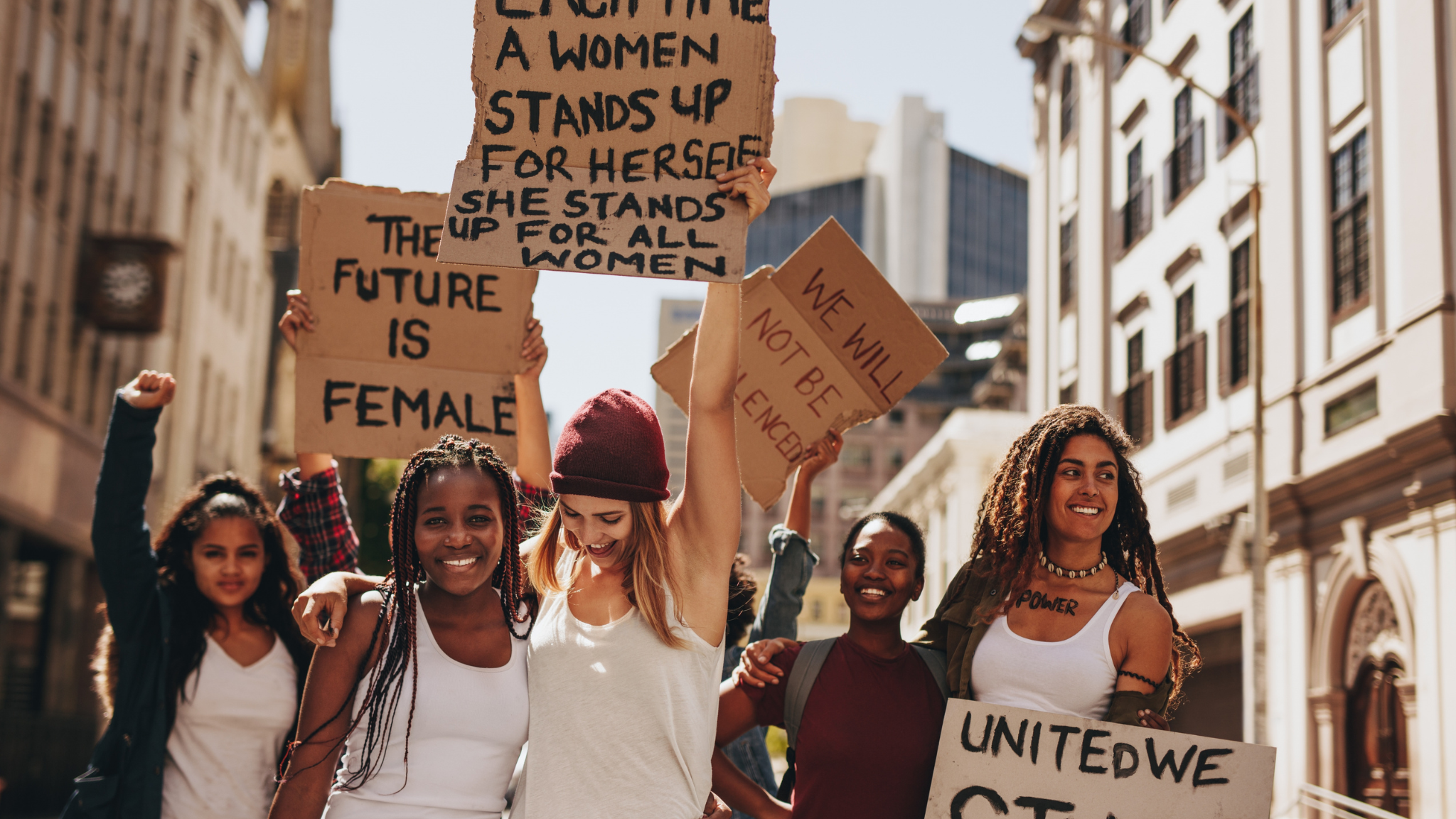
Those who care about protecting and building U.S. democracy – with a government truly reflective of its population and its policy concerns – should look no further than the actions and strategies of Black women political and movement leaders for guidance.
While women of multiple backgrounds have been major parts of the social movements for progress in in the United States, Black women have been at the vanguard for equality and justice, pushing for a democracy that took them into account in a nation where they had been intentionally marginalized and exploited because of their circumstances, which often pushed them forward to act on their behalf and that of their community. Black women started the first woman led anti-slavery society in the U.S. in Salem, Massachusetts. It was a Black woman named Maria Stewart who would be the first woman in the U.S. known to speak publicly before a mixed gender audience on the abolition of slavery and women’s rights in a time when that was not done. It was a Black woman named Frances Ellen Watkins Harper who exhorted her white suffragist colleagues Elizabeth Cady Stanton and Susan B Anthony, and Black male colleagues like Frederick Douglass to come together in the fight for universal suffrage. Even when that effort fell apart, when white women got the vote first, Watkins Harper would continue the fight for universal suffrage until her final days. The next generation of Black women like Mary Church Terrell, Mary McLeod Bethune and Diane Nash would pick up that baton into 20th century until all Black people were enfranchised, subsequently improving voting rights for all communities of color in the United States.
Legal and civil rights wins for race and gender equality ensuring people of color as well as women of all races had equal opportunity for participation in U.S. society (e.g. higher education, sports, and the workplace) was because of the brilliance of Pauli Murray, a queer Black woman, a decorated graduate of Howard Law School and the first Black person to earn a degree from Yale Law School. Murray’s scholarship not only laid the legal strategic foundation for Thurgood Marshall and the rest of the NAACP legal team’s strategies to battle race segregation in the 20th century with cases such as Brown v Board of Education, but it was also the basis of legal challenges on sex discrimination for a young lawyer named Ruth Bader Ginsburg. Both Bader Ginsburg and Marshall would go on to make history being appointed to the highest court in the U.S.—the Supreme Court—and both gave credit to Pauli Murray’s brilliance being instrumental to their work in fighting strategically.
Whether it was the Black Mississippi Washerwomen in 1866 who waged one of the first labor fights on record for better pay and treatment in the U.S. workplace, or Hazel Johnson, the “mother of the environmental justice movement” who demanded environmental laws be enforced fairly regardless of the income, race or ethnicity of communities, to Lois Curtis who fought for fellow people with disabilities to live in community with others and not shut away from the world in an institution, these Black women – many of whom I call Instigators in fighting for justice and equity – laid the groundwork for democracy that we have enjoyed in the U.S., and many have taken for granted. Ironically, it is the same systemic discrimination that forced them into politics and advocacy that renders their contributions invisible now.
Now more than ever, as we see the rollback of policy and political gains for women’s rights and a more reflective democracy, there are lessons to be learned from these Instigators and their work that can guide EVERYONE in fighting for a truly inclusive multi-racial democracy where the race and gender equality and justice we seek becomes reality. All we have to do is listen.
Join WPI on Wednesday, April 22nd at 6pm for a virtual book talk with Atima Omara who will discuss her forthcoming book, The Instigators: How Black Women Have Been Essential to American Democracy (And What We Can Learn From Them), which examines the role Black women have played in shaping American democracy and what that history can teach us about this political moment, with WPI Exec. Director Betsy Fischer Martin. Pre-order the book here. Details and registration here.