According to our research “Stepping Up and Standing Out,” women are inspired by other…
Her Service, Her Struggle: Addressing Women Veteran’s Needs
Kayln McKay
| Apr 30, 2026
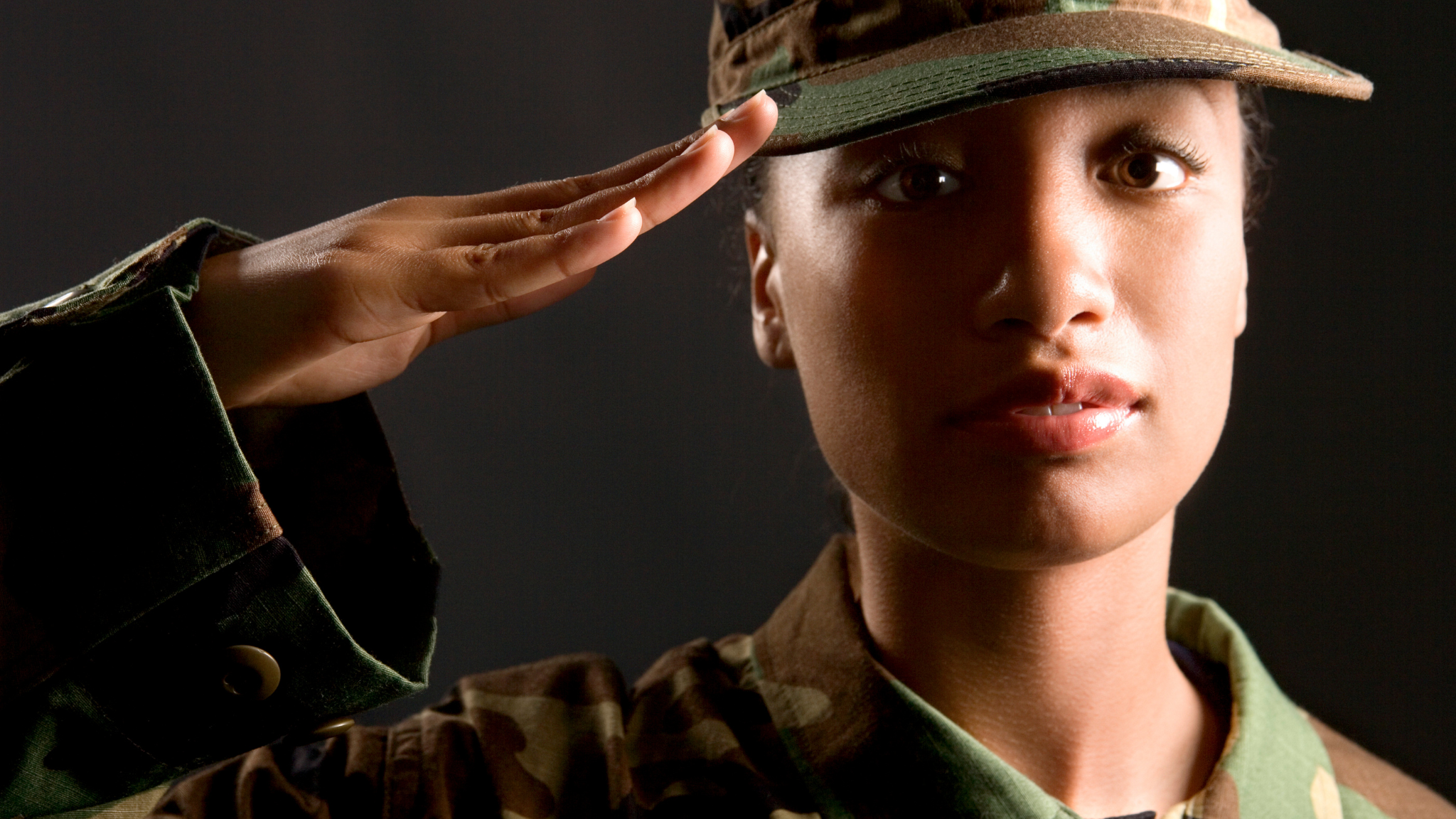
Every May, the United States honors the millions of Americans who currently and formerly served in the Armed Forces and their families. However, National Military Appreciation Month is also an opportunity to recognize the experiences of one of the fastest growing veteran populations in the country, women. Although women have served in an official capacity since the passage of the Women’s Armed Services Integration Act in 1948, many still face barriers 77 years later.
When many people think of a veteran, they visualize a male servicemember, leaving women out of the picture. Despite their growing numbers, women veterans continue to report harassment. According to investigators with Health Services Research and Development’s Women Veterans Healthcare CREATE Initiative, one in four women veterans reported inappropriate and/or unwanted comments by male veterans on VA grounds, including sexual or derogatory remarks and challenges to their identity as veterans and right to receive VA care. Harassment is significantly associated with women veterans delaying or missing necessary health care. This is reflected with only 8% of women making up VA patients and most seeking civilian care.
Although the VA has expanded its services over the past decade, many of the VA hospitals and facilities were originally designed with male veterans in mind. The VA Office of Inspector General review found ongoing challenges in reproductive health services, including staffing shortages, provider recruitment and long travel distances. This continues to be a barrier for many women veterans, with rural veterans experiencing it strongly. They report that the Veterans Health Administration (VHA) communicates poorly about eligibility and enrollment and offers insufficient women’s healthcare services. Women veterans also experience higher rates of military sexual trauma compared to their male counterparts. It is important to ensure they receive accessible gender-responsive and trauma informed care.
It is also very crucial to not view women veterans as a monolith, because according to the study Improving Support for Veteran Women: Veterans’ Issues in Focus, veteran women are more racially and ethnically diverse than veteran men. Research has shown Black and Hispanic women are disproportionately affected by mental health issues, compared to White women. However much of the existing studies examines women only in comparison to men. For instance, one study found women veterans experienced higher rates of post-traumatic stress disorder compared to male counterparts, yet the data was not divided by race.
This National Military Appreciation Month, we thank women veterans for their service and sacrifice, but honoring means much more than expressing appreciation. It means ensuring that all veterans have equal access to benefits and support. By removing systemic barriers and acknowledging the intersectional experiences of women veterans, the United States can create a more inclusive and effective system that truly serves those who served our country.