In the United States, running for office requires significant financial resources, donor networks and other…
Gender is Only Part of the Story
China Dickerson Kittrell
| Sep 22, 2026

When we talk about women in politics, we often talk about “women voters” or “women candidates” like they are one group that thinks, votes, and experiences politics in the same way.
They are not.
Gender matters. It can shape who is encouraged to run for office, who gets taken seriously as a leader, and what voters expect from candidates. But gender is only one part of the story. Race, age, income, education, geography, parenthood, and other parts of our identities all shape how we experience politics too.
You can see this in voting patterns. Pew Research Center’s analysis of the 2024 election found a clear gender gap in presidential voting. But if you stop there, you miss a lot. Women did not all vote the same way. Race, education, age, and other factors created major differences among women voters.
So knowing someone is a woman does not automatically tell you what she cares about, how she will vote, or what politics feels like to her.
The same thing is true for women running for office.
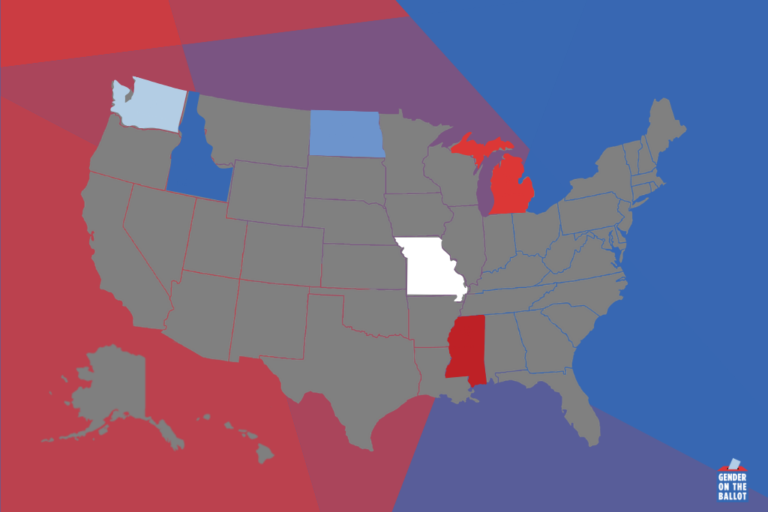
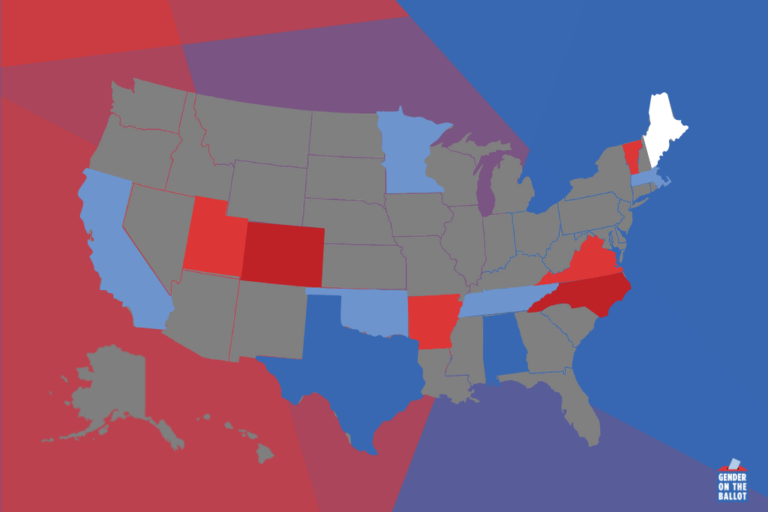
The 2026 elections give us a good example. According to the Center for American Women and Politics, a record 72 women filed to run for governor this cycle. That is meaningful progress. But the number alone does not tell the whole story.
We also have to ask: Which women can afford to run? Who has access to donors, political networks, childcare, flexible work, campaign experience, and people willing to open doors for them?
Gender on the Ballot has written about how the cost of running for office can create particular barriers for women, especially women of color and working-class women.
That is where intersectionality comes in.
Intersectionality is an academic word, but the idea is pretty straightforward: different parts of who we are show up at the same time. A Black woman does not experience politics only as Black one day and as a woman the next. A young woman, a working mother, a rural woman, or a first-generation college graduate may all encounter different opportunities and barriers.
If we want to understand representation, we have to look beyond the headline number of women running or winning.
Instead of only asking, “How are women doing in this election?” we should ask better questions: Which women? Where are they running? What support do they have? What barriers are in their way? And who is still missing from the conversation?
These are the kinds of questions I ask my students in Gender Identity Politics at American University because they help us understand something bigger than any one election.
Politics is personal. Identity is complicated. And gender is never the only thing we bring with us to the ballot box.